Sony to Officially End Physical Media for PlayStation Consoles
posted Wednesday Jul 8, 2026 by Scott Ertz
Sony's decision to sunset physical media for the PlayStation 5 and future consoles marks one of the most significant pivots in the company's gaming strategy in more than two decades. The move signals a full commitment to digital distribution, cloud‑based access, and a streamlined hardware ecosystem that no longer relies on discs. While the transition has been gradual, the formal announcement closes the door on an era that shaped how players discovered, collected, and shared games. It also opens a new chapter defined by convenience, rapid deployment, and a rethinking of ownership in the digital age.
The End of the Disc Era
For years, physical media served as the backbone of the PlayStation brand. From the original PlayStation's CD‑based titles to the Blu‑ray era of the PS3 and PS4, discs represented permanence, portability, and a sense of collection that many players valued. Sony's announcement acknowledges that the market has shifted dramatically. Digital sales have outpaced physical purchases for multiple years, and the company's internal data shows that players increasingly prefer instant access over boxed copies.
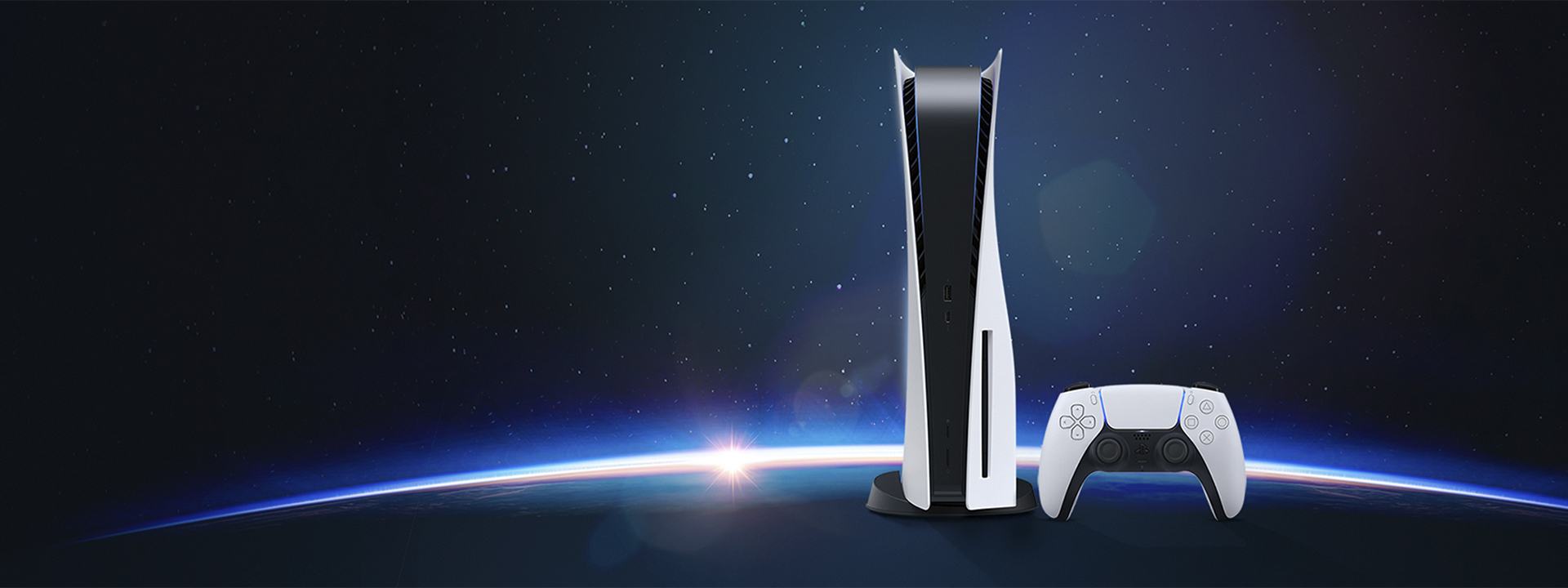
The PlayStation 5 offered early hints of this direction with its Digital Edition, a disc‑free variant that quickly became a strong seller. Sony's new policy formalizes that trajectory. Future next‑generation consoles will no longer include disc drives, and physical game production will wind down over the next several cycles, ending in January 2028. Retail partners will continue selling existing inventory, but no new disc‑based releases will be manufactured once the transition is complete. After that date, all new titles will only be available digitally.
Why Sony Is Making the Change
Sony's shift is driven by several converging factors. Digital distribution reduces manufacturing costs, eliminates supply chain constraints, and allows the company to deliver updates, expansions, and full titles without the overhead associated with physical production. It also aligns with broader industry trends. Streaming services, subscription models, and cloud gaming have reshaped expectations around access and convenience, and Sony aims to position the PlayStation ecosystem as a modern, unified platform that reflects those realities.
The company also points to environmental considerations. Disc production, packaging, and shipping contribute to waste and emissions, and phasing out physical media supports Sony's sustainability goals. By focusing on digital delivery, the PlayStation brand can reduce its physical footprint while expanding its global reach. Regions that previously struggled with retail distribution can now access new releases instantly, and developers can push updates without waiting for certification tied to physical manufacturing timelines.
Sony's Critique of Xbox One and the New Contradiction
When Sony talks about the end of discs, it does so with the shadow of E3 2013 hanging over the conversation. Back then, Microsoft had outlined an Xbox One model where physical discs were effectively tied to a console or account, with lending and resale wrapped in complex licensing rules and online checks. In response, Sony delivered one of the most memorable moments in console‑war history: a short "how to share games on PS4" clip in which an executive simply handed a disc to a colleague, underscoring that PlayStation games could be lent, traded, or resold without extra friction.
That message became central to Sony's identity. The company framed Microsoft's approach as a mistake - an attempt to control physical ownership and undermine the freedom that discs had always represented. Now, Sony's own move to eliminate physical media stands in direct tension with that earlier stance. By phasing out discs entirely, Sony isn't just avoiding Microsoft's old DRM model; it is removing the very format it once defended. The result is a striking contradiction: the platform that mocked locked‑down physical games is now embracing a future where lending, resale, and simple hand‑offs are far harder, if not impossible, because everything lives inside a digital ecosystem.
What This Means for Players and Collectors
The transition raises important questions about ownership, preservation, and long‑term access. Physical discs offered a sense of permanence that digital licenses cannot fully replicate. Sony acknowledges these concerns and has committed to maintaining robust digital libraries, long‑term account access, and improved archival policies. Players will retain access to previously purchased titles, and the company plans to expand cloud‑based backup systems to ensure continuity across hardware generations.
Collectors face a more complicated future. Physical editions will become finite artifacts, and the aftermarket will likely see increased demand for rare or iconic releases. Some players may view the end of physical media as a loss of gaming culture, while others will embrace the convenience and flexibility of a fully digital ecosystem. Sony's strategy attempts to balance both perspectives by ensuring that legacy content remains accessible while pushing the platform toward a more efficient and scalable model.
Finally
Sony's announcement marks a turning point not just for the PlayStation brand but for the gaming industry as a whole. The end of physical media reflects changing consumer behavior, evolving technology, and a desire to streamline the gaming experience for a global audience. As the company moves forward, players will navigate a landscape where convenience and connectivity define the future of interactive entertainment, and where the legacy of physical discs becomes a cherished part of gaming history rather than its foundation.